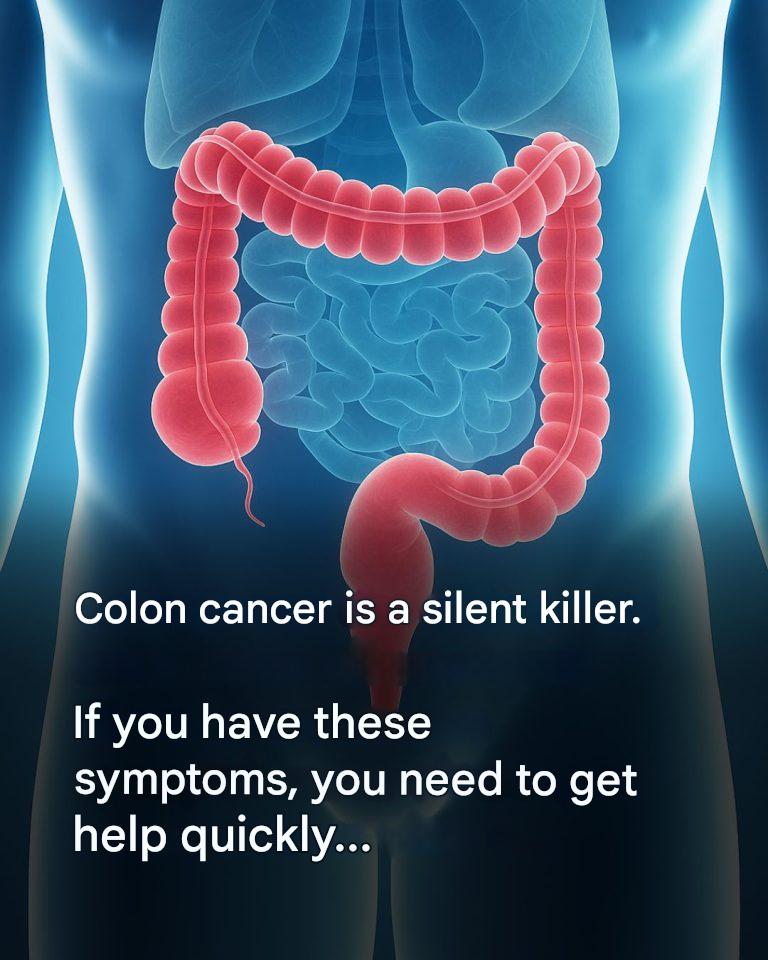
Often silent, colorectal cancer progresses slowly but can be fatal if detected too late. An oncologist warns of five common mistakes that increase the risks without us even realizing it.

Colorectal cancer is now the third most common cancer in men and the second in women . In France, it affects nearly 47,500 people each year and causes approximately 17,000 deaths . Yet, it is often preventable and, when detected early, is curable in 9 out of 10 cases.
But all too often, warning signs go unnoticed, and certain behaviors contribute to the development of the disease. Dr. Ursina Teitelbaum , an oncologist specializing in gastrointestinal cancers at the University of Penn Medicine (USA), details five mistakes to avoid to preserve gut health and reduce the risks.
1. Ignoring one's family history
The first mistake, according to the specialist, is neglecting one's family history .
Approximately one in three people with colorectal cancer has a relative who also has the disease. The risk is particularly high if a first-degree relative (father, mother, brother, or sister) was diagnosed before the age of 60.
"The health of your colon also depends on your genes," reminds Dr. Teitelbaum.
In cases of family history, individual screening should begin at age 45 , with a colonoscopy every five years .
Experts advise questioning relatives—parents, grandparents, uncles, and aunts—to identify any potential predispositions.
A better understanding of one's genetic makeup allows for the anticipation of avoidable risks .
2. Postpone colonoscopies or screening tests
Screening remains the best way to detect colorectal cancer before it becomes serious .
In France, everyone aged 50 to 74 receives an invitation to take a home immunochemical test every two years.
But many neglect it, thinking they are not affected.
This is a dangerous mistake. In more than 80% of cases , cancer develops from a benign lesion . If detected early, it can be removed before it becomes malignant.
"Whatever your lifestyle, from a certain age, screening is essential," insists the oncologist.
If in doubt, never delay a colonoscopy prescribed by a professional. An unnecessary follow-up examination is better than a delayed diagnosis.
3. Underestimating unusual symptoms
Colorectal cancer develops slowly and is often asymptomatic in its early stages .
However, certain signs should raise immediate concern :
-
A lasting change in bowel habits (persistent diarrhea or constipation)
-
Stools thinner than usual
-
Presence of blood in the stool
-
Unexplained fatigue or rapid weight loss
-
Recurrent abdominal pain
"If your doctor minimizes your concerns, seek a second opinion," advises Dr. Teitelbaum.
Too many patients wait months before seeking medical advice, hoping that “it will go away”. This is a common mistake: the later the diagnosis, the more intensive the treatment .
4. Neglecting the impact of lifestyle
Diet and physical activity play a vital role in prevention.
According to the French National Health Insurance , more than half of colorectal cancers could be avoided by adopting a few simple habits.
The main risk factors are: