Hip Osteoarthritis: Symptoms, Causes and Effective Treatments
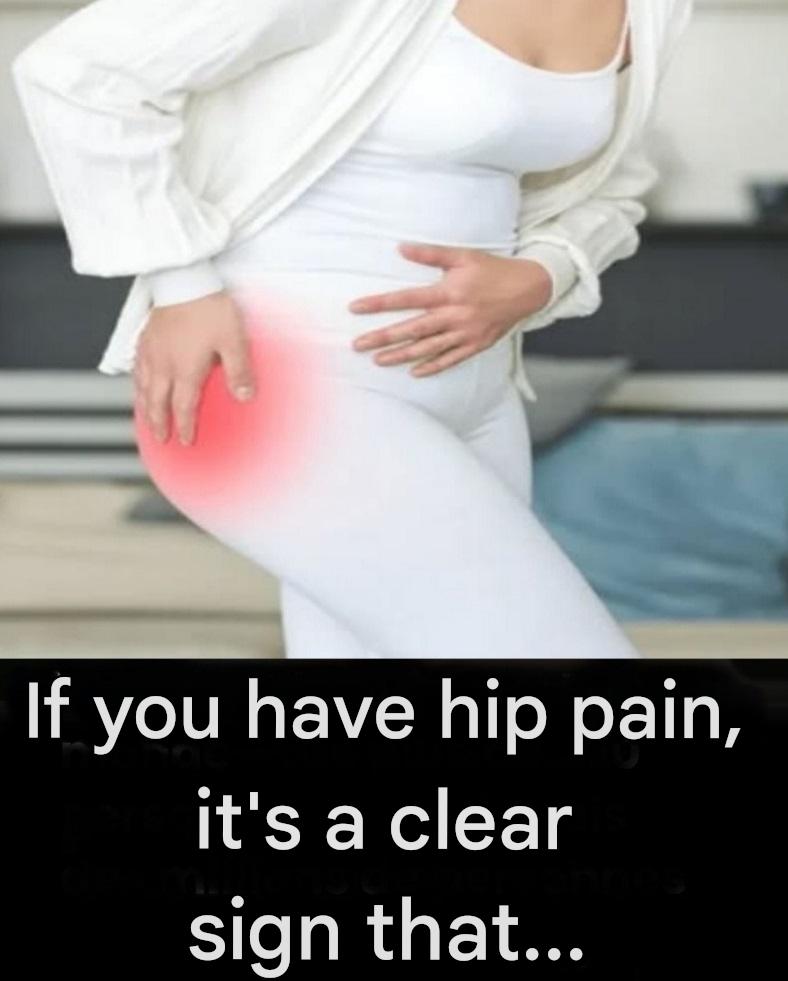
Are you finding it increasingly difficult to perform simple everyday tasks? Is tying your shoes becoming a chore, climbing stairs a considerable effort, and is persistent morning stiffness gradually setting in? These symptoms, too often overlooked, could indicate hip osteoarthritis, a joint condition far more common than you might think. Once associated exclusively with aging, this condition now affects active adults as young as 35-40. Understanding this joint disease and taking early action can help preserve mobility and significantly improve quality of life.
Understanding Hip Osteoarthritis: Definition and Mechanisms
What is Hip Joint Wear?
Hip osteoarthritis, also called coxarthrosis, corresponds to a progressive degeneration of the articular cartilage. This protective tissue, a few millimeters thick, plays a crucial role in the functioning of the joint by allowing the bone surfaces to glide against each other without friction.
When this cartilage thins, cracks, or disappears completely, the bones come into direct contact, causing intense pain, joint stiffness, and chronic inflammation. This progressive deterioration transforms a fluid joint into an area of painful friction, significantly limiting mobility and independence.
Mechanisms of Cartilage Degradation
The osteoarthritic process involves several complex biological phenomena. Cartilage destruction is accompanied by changes in the underlying bone structure, with the formation of osteophytes (bony growths) and inflammation of the synovial membrane. These anatomical changes disrupt the biomechanical balance of the joint, accelerating its deterioration.
Risk Factors and Causes of Hip Osteoarthritis
Genetic and Hereditary Predispositions
Heredity plays a significant role in the development of osteoarthritis. Some families have a particular genetic susceptibility, with genes influencing cartilage quality, bone structure, and inflammatory processes. This familial predisposition explains why several members of the same lineage can develop this joint disease.
Impact of Overweight and Obesity
Excess weight is a major risk factor for hip osteoarthritis. Each additional kilogram multiplies the load placed on the joint during walking or daily activities. This chronic mechanical overload accelerates cartilage wear and promotes the early onset of painful symptoms.
Medical studies demonstrate that even a modest weight loss (5 to 10% of body weight) can significantly reduce the progression of osteoarthritis and improve painful symptoms.
High-Risk Professional and Sporting Activities
Certain professions are particularly conducive to musculoskeletal disorders. Jobs involving heavy lifting, prolonged squatting, or repetitive movements place excessive stress on the hip joint. Farmers, construction workers, and tile setters, for example, have a higher incidence of hip osteoarthritis.
Similarly, certain intensive sports activities, particularly those involving repeated impacts or sudden changes of direction, can promote premature wear of articular cartilage.
Traumatic and Pathological History
Previous joint trauma, whether fractures, dislocations, or severe sprains, permanently disrupts the joint architecture. These injuries can alter the distribution of mechanical stresses and accelerate the degenerative process.
continued on the next page