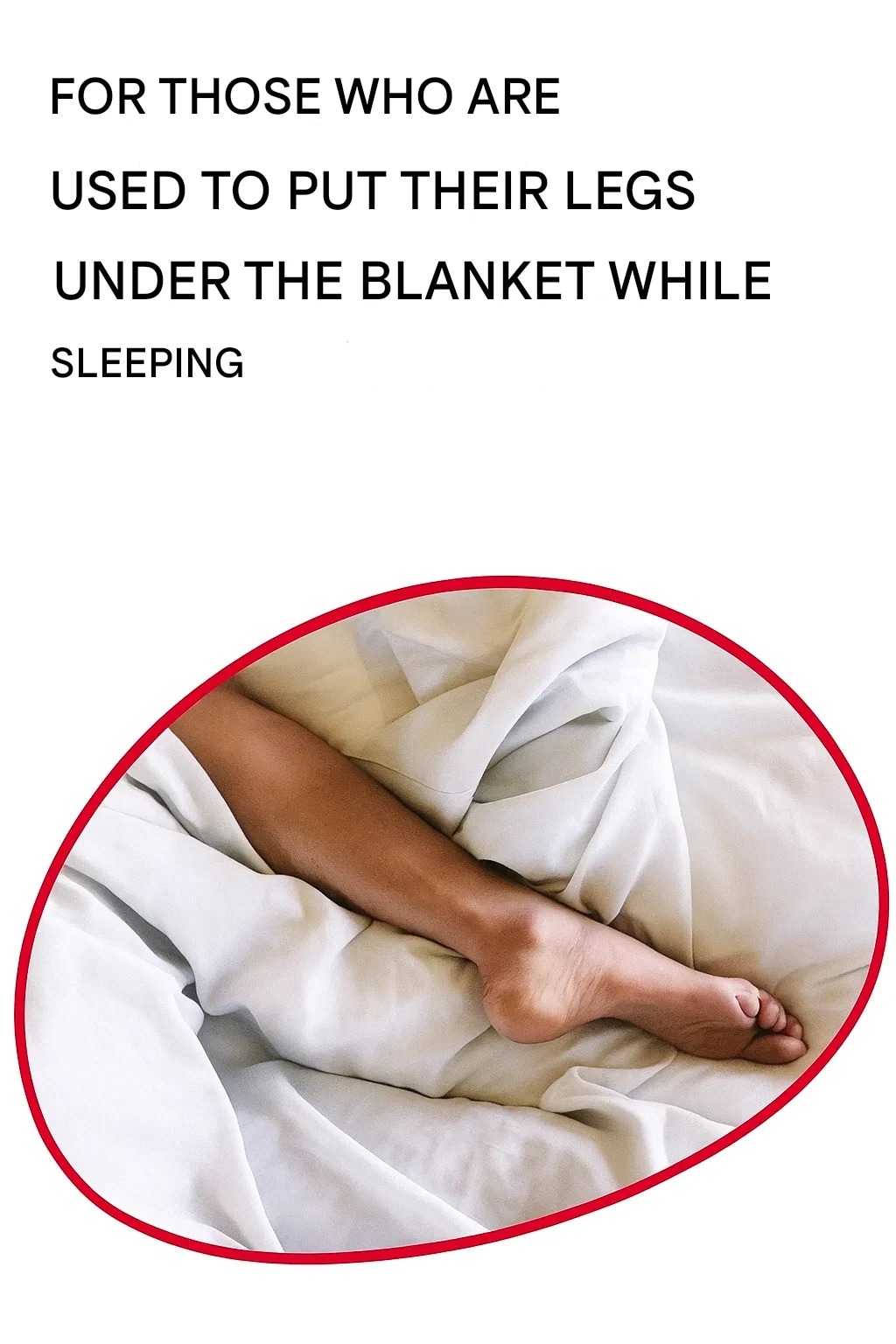
This phenomenon is even more evident in babies: before falling asleep, their ears and nose warm up and become slightly pink, a sign that their body is releasing heat and preparing for sleep.
Therefore, cooling through the peripheral parts of the body is a completely natural mechanism for faster and better quality sleep.
Practical tips for better sleep
Many factors can disrupt a good night's sleep: stress, tension, daily tasks, and health problems. That's why it's important to adopt good habits. Here are some recommendations, inspired by expert advice:
1. Adopt a regular sleep schedule.
An adult needs at least 7 hours of sleep per night. For most people, the optimal amount of sleep is between 7 and 8 hours.
2. Pay attention to your diet.
Don't go to bed hungry or overfed. It's best to avoid heavy meals in the evening, especially two hours before bedtime.
3. Create a calming atmosphere.
The bedroom should be quiet, dark, and slightly cool. Avoid bright screens before bed. Blackout curtains or earplugs may be helpful.