Discover the little-known repercussions of gallbladder removal on digestive health and the potential diseases that could result.
Is gallbladder removal always necessary in cases of gallstones?
The presence of gallstones does not always lead to immediate surgery. Some gallstones are asymptomatic and cause no problems. In these cases, simple medical monitoring is sufficient.
However, when severe pain, inflammation (cholecystitis), or complications such as bile duct obstruction occur, removal often becomes unavoidable. This procedure, known as cholecystectomy, is performed laparoscopically and helps prevent more serious complications.
What are the body's reactions after gallbladder removal?
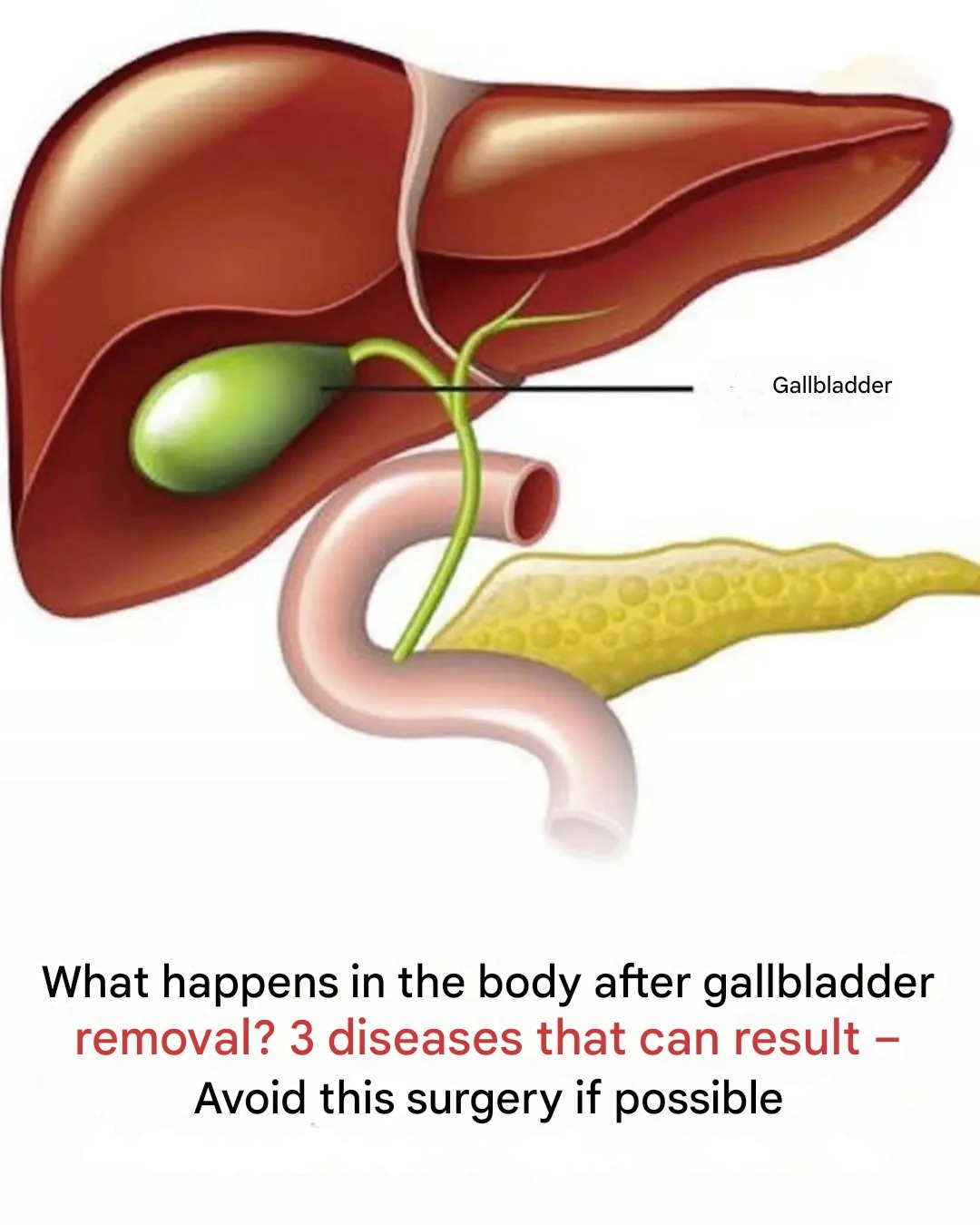
After the procedure, the body continues to produce bile from the liver, but its flow becomes constant, which can lead to various undesirable effects:
Difficulty digesting fats:
In the absence of a storage reservoir, bile is released continuously, which can complicate the assimilation of fats. Certain rich foods become more difficult to digest, sometimes leading to diarrhea or bloating.