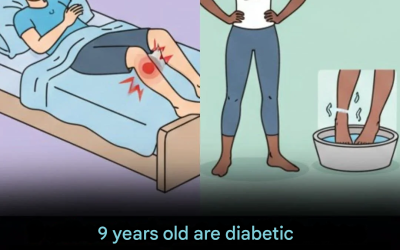
Treatment: How to soothe and treat heel pain?
When experiencing heel pain, it's important to rest your foot and avoid walking barefoot or in unsuitable shoes (such as shoes that are too high). You can also apply cold to the painful area twice a day for ten to fifteen minutes.
To relieve pain, and provided there are no contraindications, the French National Health Insurance (Assurance Maladie) recommends taking paracetamol (such as Doliprane or Dafalgan). Otherwise, it advises using non-steroidal anti-inflammatory drugs (NSAIDs) like ibuprofen. Also, check for any contraindications. You should consult your doctor if:
Heel pain persists despite medication.
The pain is sudden, intense, and appears following an injury.
You can no longer put your heel on the ground.
You have other symptoms such as fever or abdominal pain.
Your heel is swollen and red.
You suffer from a chronic illness (diabetes, osteoporosis, etc.) in addition to plantar heel pain.
Once the cause of the heel pain is identified, your doctor will tailor the treatment. This may range from resting the foot, possibly with the use of orthotics, to physiotherapy sessions or the application of topical anti-inflammatory treatments. Depending on the progression of the plantar heel pain, surgery may be recommended.
continued on the next page