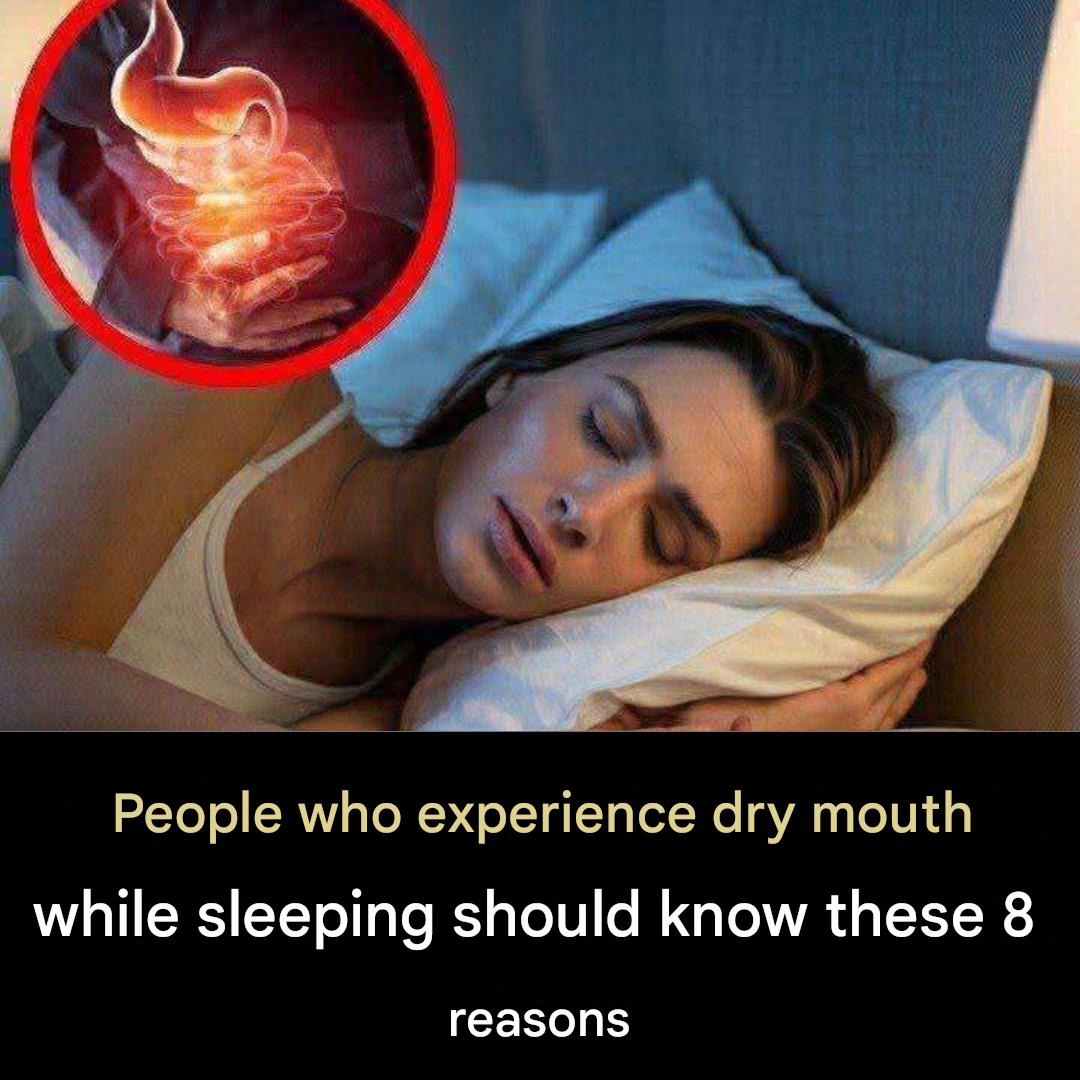
5. Sleep Apnea and Snoring:
People with sleep apnea or chronic snoring often experience dry mouth due to a constant flow of air into the mouth during sleep. If you frequently wake up with a dry throat and feel tired despite getting plenty of sleep, you may want to consult a sleep specialist. Using a CPAP machine or other breathing devices can significantly improve sleep quality and oral comfort.
6.
Alcohol and Tobacco Use: Alcohol and tobacco irritate and dry out the tissues of the mouth. Alcohol acts as a diuretic, causing dehydration, while smoking reduces saliva flow and increases the risk of gum disease. Avoiding alcohol before bed and quitting smoking can significantly improve your oral health and hydration.
7.
Medical Conditions Certain medical conditions can contribute to chronic dry mouth, such as diabetes, Sjögren's syndrome, or radiation therapy to the head and neck. These conditions damage the salivary glands or alter your body's fluid balance. If your dry mouth is persistent and severe, it is important to consult a doctor for evaluation and appropriate treatment.
8. Sleep Environment
Finally, the air in your bedroom could be the culprit. Air conditioning or heating systems can make the air dry, especially in winter. Using a humidifier can help maintain moisture in the air and prevent your mouth and throat from drying out overnight.
In conclusion , while occasional dry mouth during sleep may seem harmless, chronic symptoms should not be ignored. Your body is trying to tell you something, whether it's dehydration, a respiratory issue, or a medication side effect. By identifying and addressing the cause, you can enjoy better sleep, improved oral health, and greater overall comfort. A small change, such as staying hydrated or adjusting your sleeping position, may be enough to wake you up refreshed and free from that unpleasant feeling of dry mouth.