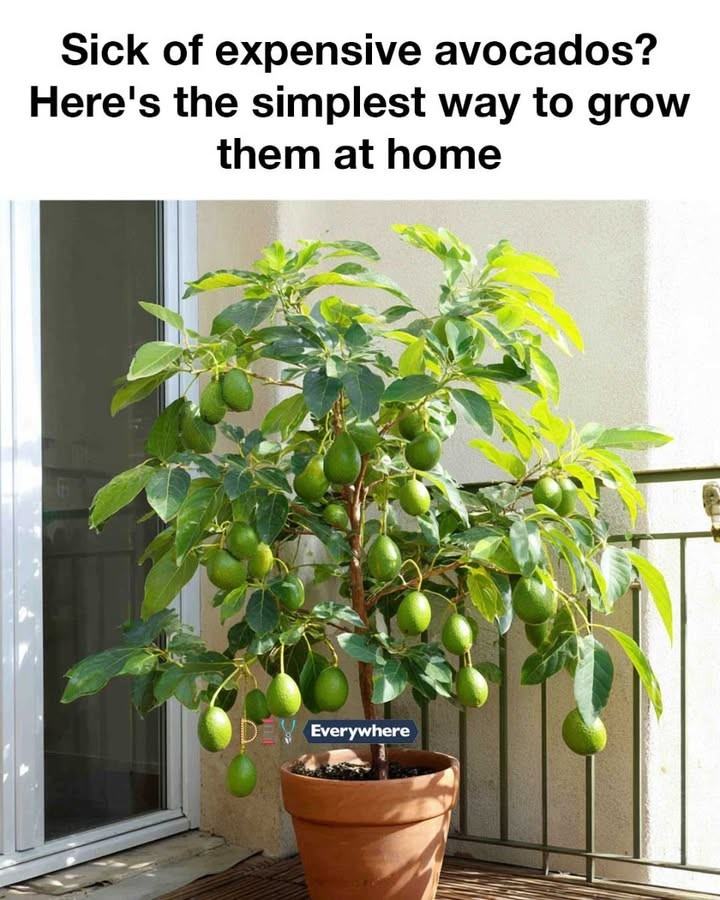
Sick of expensive avocados? Here’s the simplest way to grow them at home. Full article

5. Essential Supplies You Need to Get Started
To begin growing avocados at home, you’ll need a few basic supplies. These include a ripe avocado, toothpicks, a glass or jar, and water. Once your seed has sprouted, you’ll also need a pot with drainage holes and well-draining potting soil for transplanting.
Additionally, having a sunny windowsill or a spot with ample sunlight is essential for the growth of your avocado seedling. As your tree grows, you may need to invest in a larger pot and a stake to support the plant.
6. How to Properly Germinate an Avocado Seed
Proper germination is key to successfully growing an avocado tree. After setting up your avocado pit in water, monitor the water level regularly to ensure the bottom of the pit remains submerged. Change the water every few days to prevent mold and bacteria growth.
Once the pit has sprouted roots and a stem, and the stem reaches about six inches in height, trim it back to three inches to encourage stronger growth. When the roots are thick and the stem has leaves, your seed is ready to be transplanted into soil.
7. Transplanting Your Avocado Seedling to Soil
Transplanting your avocado seedling to soil is a crucial step in the growing process. Choose a pot that is at least 10 inches in diameter with good drainage. Fill it with a well-draining potting mix, leaving space at the top.
Carefully remove the toothpicks and place the seedling in the soil, ensuring the top half of the seed remains exposed. Water the soil thoroughly and place the pot in a sunny location. Continue to water regularly, allowing the soil to dry out slightly between waterings.
8. Optimal Conditions for Avocado Growth
Avocado trees require specific conditions to thrive. They prefer temperatures between 60°F and 85°F and need at least six hours of direct sunlight daily. If you live in a cooler climate, consider growing your avocado tree indoors or in a greenhouse.
Ensure the soil is well-draining to prevent root rot, and maintain a consistent watering schedule. Avocados also benefit from regular feeding with a balanced fertilizer during the growing season to support healthy growth.
9. Common Mistakes to Avoid When Growing Avocados
One common mistake is overwatering, which can lead to root rot. It’s important to let the soil dry out slightly between waterings. Another mistake is choosing the wrong avocado variety for your climate, which can result in poor growth or failure to fruit.
Additionally, neglecting to provide enough sunlight can hinder the growth of your avocado tree. Ensure your plant receives adequate light and avoid placing it in drafty or excessively cold areas.
10. How to Care for Your Avocado Tree as It Grows
As your avocado tree grows, regular care is essential to ensure its health. Prune the tree to remove dead or damaged branches and to encourage a strong structure. This will also help improve air circulation and sunlight penetration.
Monitor for pests such as spider mites or aphids, and treat infestations promptly with insecticidal soap or neem oil. Continue to water and fertilize your tree regularly, adjusting care as needed based on the tree’s growth and environmental conditions.
11. When and How to Harvest Your Homegrown Avocados
Avocado trees typically take several years to bear fruit, often between three to four years for grafted trees and up to ten years for trees grown from seed. Patience is key, but the reward is worth the wait.
Advertisement
To harvest, gently squeeze the fruit to check for ripeness. A ripe avocado will yield slightly to pressure. Use a sharp knife or pruning shears to cut the fruit from the tree, leaving a small portion of the stem attached. Allow the avocados to ripen at room temperature before enjoying your homegrown bounty.
continued on next page