In summary, the need for gallbladder removal depends on the type of gallstones, the severity of symptoms, and other related factors.
How does the body change after gallbladder removal?
1. Decreased ability to digest fats:
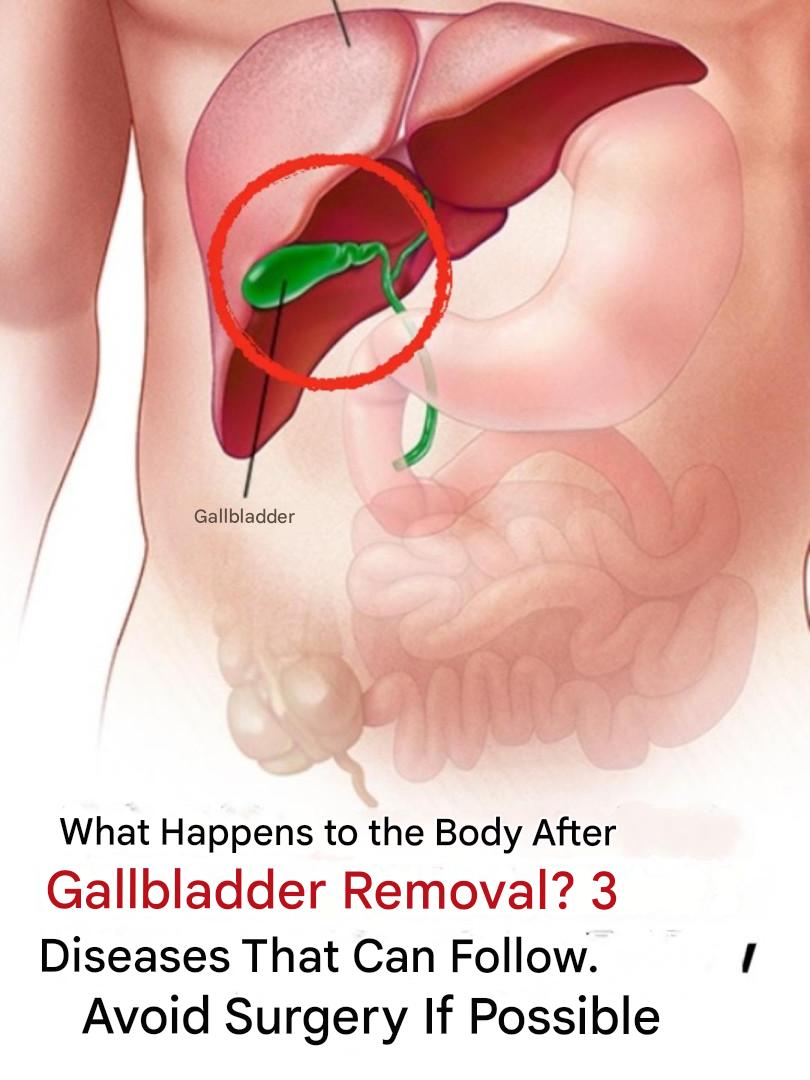
One of the main functions of the gallbladder is to store bile, which contains cholesterol and bile salts that aid in the digestion of fats. Without a gallbladder, the storage and release of bile are disrupted, making the digestion and absorption of fats more difficult.
2. Indigestion
Bile promotes fat absorption, and the gallbladder acts as a reservoir; its removal results in a continuous, rather than intermittent, release of bile into the duodenum. This change can disrupt digestion and cause bloating and belching.
3. Disruption of the intestinal flora:
Bile contains antimicrobial components that contribute to maintaining intestinal health. In the absence of a gallbladder, bile flow is altered, which can disrupt the balance of intestinal flora and increase the risk of intestinal infections and inflammation.
4. Bile reflux:
Gallbladder removal can lead to a rapid flow of bile into the stomach, causing bile reflux and digestive problems. The high acidity and concentration of bile salts in the bile can irritate the stomach lining and cause these problems.
5. Dietary adjustments:
Some people experience bile reflux after surgery, which can lead to symptoms such as nausea and heartburn. To alleviate these discomforts, it may be necessary to reduce the consumption of high-fat foods, including fried and very spicy foods, while increasing fiber intake and avoiding overeating and excessive alcohol consumption.
6. Sleep disorders.
The main effect of gallbladder removal is an alteration in digestion and fat absorption. However, each individual's health is different. Some people experience sleep disturbances after the operation, including poor sleep quality, anxiety, and insomnia. Fortunately, with appropriate adjustments, sleep quality can improve.